
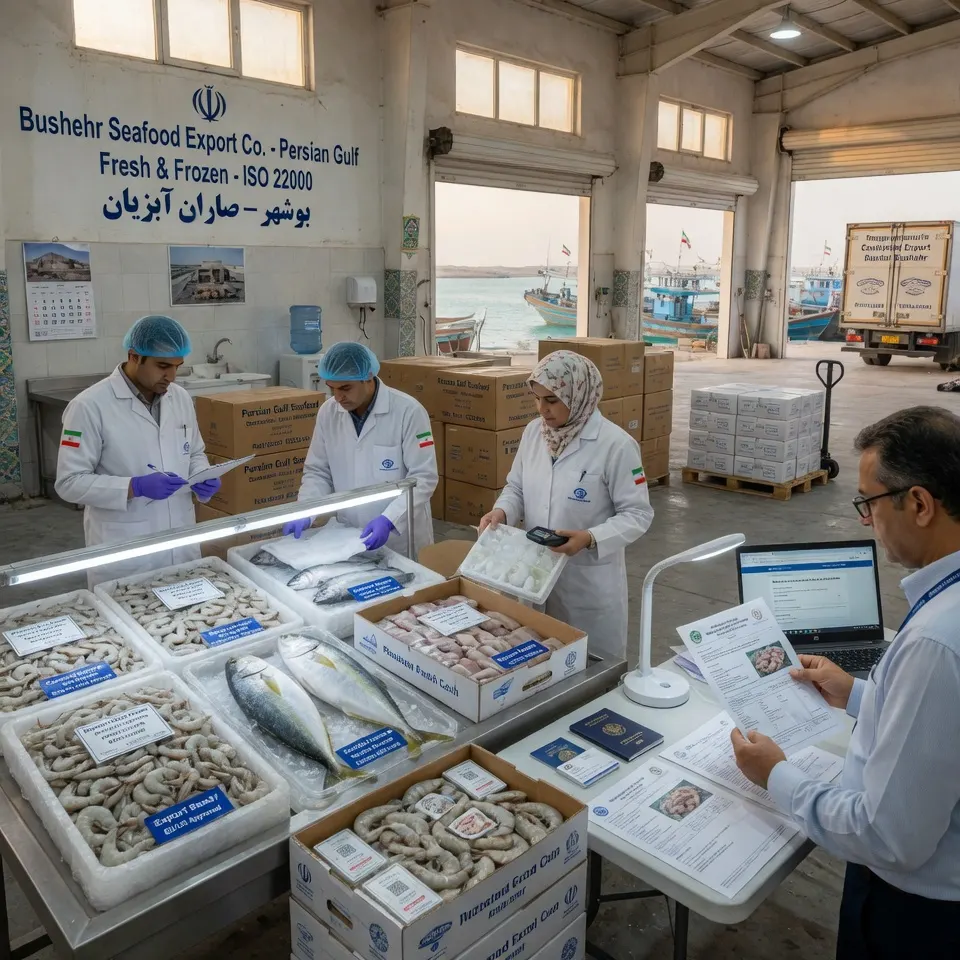
Iran, and especially the Bushehr region along the Persian Gulf, is well known for its seafood resources. International buyers looking for fish and shrimp from this region often ask the same questions: How do I place an order? What product details should I confirm? How do I make sure the goods are handled correctly? What export documents are needed?
A successful seafood import process begins with clarity. Buyers should not only compare prices, but also evaluate product quality, grading, packaging, freezing methods, and shipment coordination. When these elements are managed correctly, seafood imports become smoother, more reliable, and more profitable.
1. Start with Clear Product Specifications
The first step is to define exactly what you want to buy. In seafood trade, vague requests often lead to delays or quality mismatches. A buyer should clearly state:
- Product type: fish or shrimp
- Species or commercial name
- Frozen or chilled format
- Whole, head-on, peeled, fillet, or processed form
Size or grading - Required packaging type
- Quantity
- Destination market
For example, one buyer may need head-on frozen shrimp in export cartons for wholesale retail distribution, while another may need bulk frozen fish for processing or food service. The clearer the request, the more accurate the quotation and preparation process will be.
2. Evaluate Product Quality Before Shipment
Serious buyers should always pay attention to quality control. In seafood exports, quality is judged by appearance, freshness before freezing, grading consistency, cleanliness, and proper storage conditions.
A reliable exporter should be able to explain:
- How the seafood is selected
- How it is sorted
- Whether the size grading is consistent
- How the freezing process is managed
- How storage temperature is maintained
This is especially important for shrimp, because buyers often need consistent size and appearance for their local market requirements.
3. Understand Packaging and Handling
Packaging is not only about presentation. It protects product quality, helps with handling, and supports smoother distribution after arrival. Buyers should confirm:
- carton size
- net weight
- gross weight
- inner packing method
- label requirements
- palletization if needed
For frozen fish and shrimp, durable export cartons and moisture-resistant packaging are important. Good packaging reduces the risk of damage during transportation and improves efficiency in warehousing and distribution.
4. Confirm Cold Chain Logistics
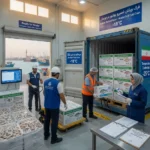
Cold chain is one of the most important factors in seafood trade. Even a high-quality product can lose value if temperature control is not maintained. Buyers should ask how the product is stored, transported, and loaded into reefer containers.
- Important questions include:
- At what temperature is the product stored?
- How long does loading take?
- Is reefer transport used?
- Are temperature controls monitored during shipment?
A professional seafood exporter should understand that product integrity depends on continuous temperature stability.
5. Prepare the Required Export Documents
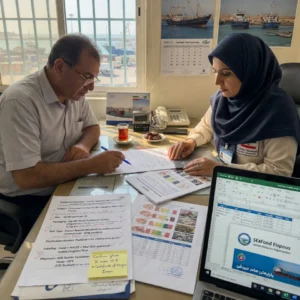
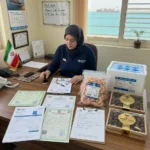
Documentation is essential in international trade. Depending on the destination market, buyers may need several documents, such as:
- commercial invoice
- packing list
- certificate of origin
- health certificate
- halal certificate if required
- shipping documents
- customs-related documents
Before confirming the order, buyers should discuss document requirements with both the exporter and their import clearance team.
6. Build a Long-Term Supplier Relationship
The best seafood trade partnerships are based on consistency and trust. Instead of focusing only on one shipment, buyers should choose a supplier that can support repeat orders, specification control, and transparent communication. Long-term cooperation makes product planning, seasonal sourcing, and logistics coordination much easier.
Conclusion
Importing fish and shrimp from Iran can be highly rewarding when done professionally. Buyers should focus on specifications, quality control, packaging, cold chain logistics, and documentation. With a trusted partner in Bushehr and a clear process, international buyers can source seafood from the Persian Gulf with greater confidence and better commercial results.



Customer Reviews
Nemo enim ipsam voluptatem quia voluptas sit aspernatur aut odit aut fugit, sed quia consequans magni dolores eos qui ratione voluptatem sequi nesciunt.
Nemo enim ipsam voluptatem quia voluptas sit aspernatur aut odit aut fugit
Nemo enim ipsam voluptatem quia voluptas sit aspernatur aut odit aut fugit, sed quia conse quans magni dolores eos qui ratione voluptatem sequi nesciunt.